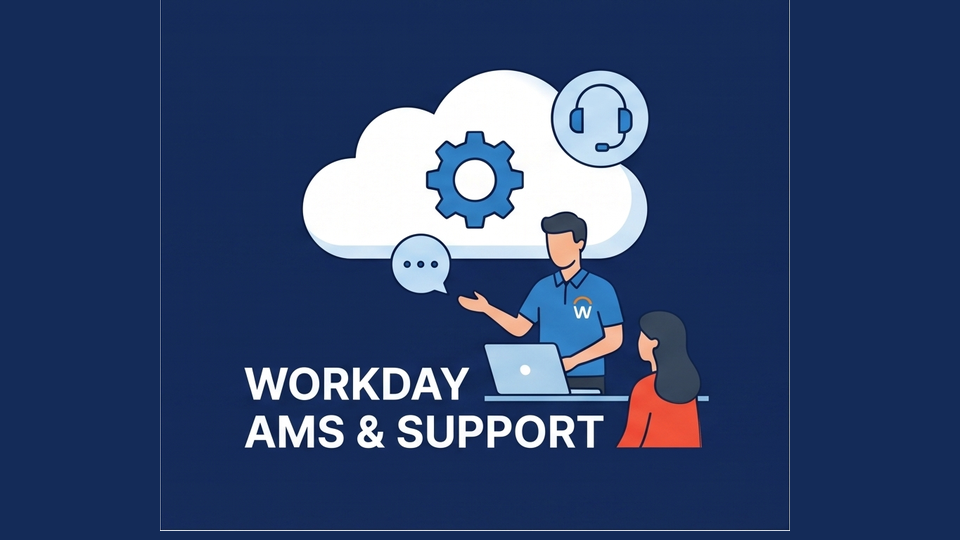
A Workday consultant is a professional who specializes in implementing, configuring, and optimizing Workday, cloud-based human resources and financial management software. Workday consultants are experts in leveraging the capabilities of the Workday platform to meet the specific needs and requirements of their clients.
The primary role of a Workday consultant is:
- To work closely with clients to understand their business processes, gather requirements and design solutions that align with the organization’s goals and objectives.
- To guide clients through the implementation process, ensuring that the Workday system is configured and customized to meet their unique needs.
- To configure the system, data migration, testing, training, and change management.
- To collaborate with client stakeholders, project managers, and technical teams to ensure a successful and smooth implementation of the Workday solution.
- To expertise and guidance on best practices, industry trends, and Workday functionality.
- To help clients optimize their use of the system, identify opportunities for process improvements, and provide ongoing support and maintenance.
Importance of a Workday consultant for an organisation:
- Expertise and Specialized Knowledge: Workday consultants possess in-depth knowledge and expertise in the Workday platform. They understand the system’s functionalities, modules, and best practices, enabling them to guide organizations in maximizing the benefits of Workday. Their specialized knowledge ensures that the organization implements Workday effectively, avoiding common pitfalls and leveraging the platform’s full potential.
- Efficient Implementation and Configuration: Workday implementations can be complex and require careful planning, configuration, and integration with existing systems. A Workday consultant understands the implementation process and can effectively manage and execute it, ensuring a smooth transition. They help organizations configure Workday according to their unique requirements, ensuring optimal system performance and alignment with business processes.
- Customization and Tailored Solutions: Workday consultants work closely with organizations to understand their specific needs and objectives. They provide insights on how to customize the platform to meet those needs, tailoring the system to fit the organization’s unique processes. By implementing customized solutions, organizations can streamline workflows, improve data accuracy, and enhance overall efficiency.
- Change Management and User Adoption: Implementing Workday often requires significant changes in processes and workflows for employees. A Workday consultant helps organizations navigate these changes by developing change management strategies and providing user training and support. They ensure smooth user adoption, helping employees understand and embrace the new system, which ultimately leads to successful implementation and improved productivity.
- Ongoing Support and Maintenance: Workday consultants offer ongoing support and maintenance services to organizations. They assist with troubleshooting issues, addressing user inquiries, and implementing system updates and enhancements. By having a Workday consultant on board, organizations can ensure they have access to expert support to resolve any technical or functional challenges that arise.
- Continuous Optimization and Best Practices: Workday consultants stay updated with the latest Workday releases, features, and industry best practices. They provide organizations with insights and recommendations on how to optimize their Workday usage, identify opportunities for process improvements, and leverage new functionalities. This continuous optimization helps organizations stay competitive, drive innovation, and adapt to evolving business needs.
Workday consultants often possess a combination of technical skills, functional knowledge in HR or finance, and expertise in Workday modules and functionality. They stay up to date with the latest Workday releases, attend training programs, and maintain certifications to ensure they are equipped with the necessary skills and knowledge to deliver successful Workday implementations.
Benefits of being a Workday consultant
Being a Workday consultant offers several benefits and advantages. Here are some of the key benefits of pursuing a career as a Workday consultant:
- High Demand and Job Opportunities: Workday is a leading cloud-based human resource and financial management software used by organizations worldwide. As more companies adopt Workday or migrate their existing systems to Workday, the demand for skilled Workday consultants continues to grow. This translates into abundant job opportunities and a competitive job market.
- Lucrative Salary and Compensation: Workday consultants are in high demand, and their specialized skills command competitive salaries and compensation packages. As an experienced and skilled consultant, you can earn an attractive income and potentially negotiate bonuses, incentives, and benefits based on your expertise and client engagements.
- Continuous Learning and Skill Development: Workday is a dynamic platform that evolves with new features, functionalities, and updates. As a consultant, you’ll have opportunities for continuous learning and skill development. Workday offers regular training programs, certifications, and access to the latest tools and resources to enhance your knowledge and expertise.
- Variety of Projects and Client Experiences: Workday consultants often work on diverse projects with different clients across industries and sectors. This variety of projects provides valuable exposure to various business processes, challenges, and implementation scenarios. It allows you to gain a broad understanding of HR and financial management practices across different organizations, building a rich and diverse professional experience.
- Collaboration and Networking: As a Workday consultant, you’ll have the opportunity to collaborate with professionals from various backgrounds, including HR, finance, IT, and project management. This collaboration enhances your ability to work in cross-functional teams, build professional networks, and develop relationships with clients, colleagues, and industry experts. These connections can open doors to new opportunities and professional growth.
- Career Advancement and Growth: Workday consulting offers a clear career progression path. As you gain experience and expertise, you can progress from entry-level roles to senior consultant positions or even move into managerial or leadership roles. Workday consulting provides opportunities for career advancement, professional growth, and the chance to take on challenging and rewarding responsibilities.
Challenges of Being a Workday Consultant
While being a Workday consultant can be a rewarding career, it also comes with its share of challenges. Here are some common challenges that Workday consultants may encounter:
- Complex Implementations: Workday implementations can be complex and require thorough planning, coordination, and technical expertise. Workday consultants need to navigate intricate organizational structures, varying business processes, and integration complexities. Managing multiple stakeholders, ensuring data accuracy, and delivering on project timelines can be challenging.
- Evolving Workday Ecosystem: Workday is a dynamic platform that continuously evolves with updates, new features, and functionalities. Staying updated with the latest releases, understanding the impact on existing implementations, and adapting to changes can be a constant challenge for consultants. It requires ongoing learning, training, and keeping up with industry trends.
- Customization and Integration: Organizations often require customization and integration of Workday with their existing systems. Balancing customization requests with maintaining system stability and compatibility can be challenging. Workday consultants need to find the right balance to ensure the system meets the organization’s needs while minimizing risks and maintaining long-term scalability.
- Change Management and User Adoption: Implementing a new system like Workday involves significant change for employees. Resistance to change, lack of user adoption, and training challenges can be obstacles that consultants must overcome. Effective change management strategies, user training programs, and ongoing support are essential to drive successful user adoption and maximize the benefits of Workday.
- Project Management and Client Expectations: Workday consultants often work on multiple projects simultaneously, requiring effective project management skills. Managing client expectations, timelines, and priorities can be demanding. Ensuring clear communication, scope management, and balancing competing demands from different stakeholders is critical to project success.
- Work-Life Balance and Travel: Workday consultants may experience demanding work schedules, tight project timelines, and potential travel requirements. Balancing client commitments with personal life and maintaining a healthy work-life balance can be a challenge. Managing time effectively and setting boundaries becomes crucial to avoid burnout.
- Client Expectations and Satisfaction: Meeting client expectations and ensuring client satisfaction can be challenging. Each organization has unique requirements, and consultants must carefully understand and align those expectations with the capabilities of the Workday platform. Balancing client demands, managing scope changes, and delivering high-quality solutions within project constraints can be demanding.
- Cross-Functional Collaboration: Workday implementations often involve collaboration with various teams, including HR, finance, IT, and project management. Aligning different stakeholders, managing conflicting priorities, and coordinating efforts across departments can be challenging. Effective communication and fostering collaboration among teams are crucial to ensure project success.
It’s important to note that these challenges can be overcome with experience, continuous learning, effective communication, and collaboration with clients and project teams. Workday consultants who embrace these challenges as opportunities for growth and skill development can thrive in their roles and deliver successful Workday implementations.
In conclusion, a Workday consultant plays a vital role in helping organizations leverage the power of Workday to streamline their HR and financial processes, enhance efficiency, and drive business outcomes. Being a Workday consultant can be a rewarding and fulfilling career choice. It offers high demand, competitive compensation, continuous learning opportunities, a variety of projects, collaboration, and potential career advancement. However, it’s important to stay updated with the latest Workday releases, maintain certifications, and continuously enhance your skills to stay competitive in the evolving Workday ecosystem.