Importance of Insights for HR Professionals
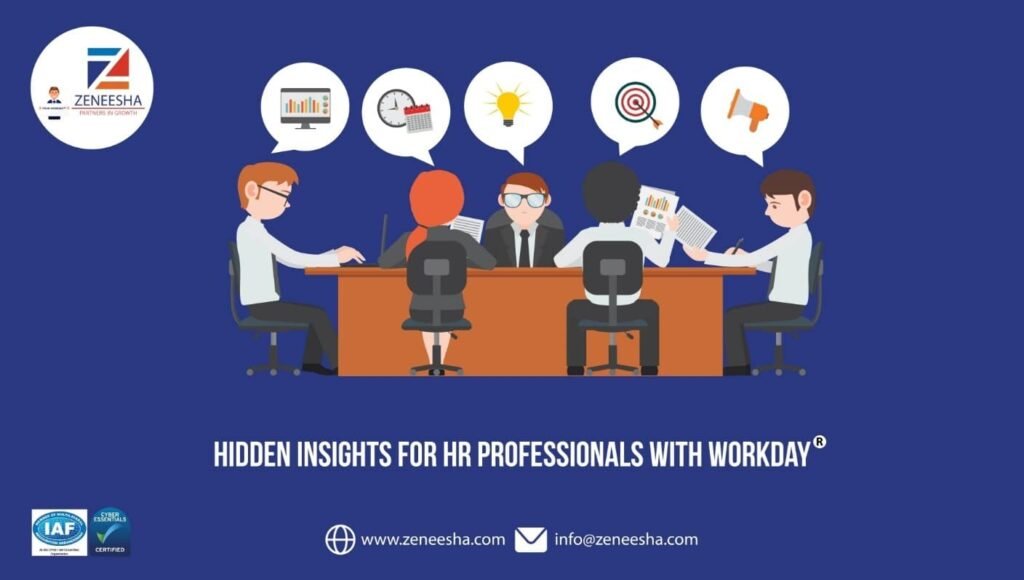
In the dynamic landscape of Human Resources (HR), data-driven insights have become indispensable for strategic decision-making and fostering a more responsive and employee-centric workplace. This blog explores the significance of insights for HR professionals, shedding light on the transformative impact they bring to various facets of HR management.
- Strategic Workforce Planning: Discuss how insights derived from HR data enable professionals to forecast workforce trends, identify skill gaps, and strategically plan for the future. Explore real-world examples of organizations leveraging data for effective workforce planning.
- Recruitment and Talent Acquisition: Highlight the role of insights in optimizing the recruitment process. Showcase how data analytics can refine talent acquisition strategies, streamline candidate sourcing, and improve the overall quality of hires.
- Employee Engagement and Retention: Explore how insights empower HR professionals to gauge employee sentiment, measure engagement levels, and identify factors influencing retention. Discuss the implementation of targeted initiatives based on data to enhance the overall employee experience.
- Performance Management and Training: Delve into how insights contribute to personalized performance management. Illustrate how data analytics can pinpoint areas for improvement, guide training initiatives, and foster continuous development for individual employees.
- Diversity and Inclusion Initiatives: Showcase the role of insights in driving diversity and inclusion efforts. Discuss how HR professionals leverage data to track diversity metrics, identify areas for improvement, and implement inclusive practices within the organization.
- Workplace Well-being and Productivity: Explore how insights contribute to creating a healthier workplace. Discuss the use of data to monitor stress levels, assess well-being programs’ effectiveness, and enhance productivity by aligning work demands with employee capacities.
- Adapting to Remote Work Trends: Address the importance of insights in the context of remote work. Explore how data helps HR professionals understand remote workforce dynamics, measure productivity, and implement policies that support a distributed work environment.
- Legal Compliance and Risk Mitigation: Discuss the critical role insights play in ensuring legal compliance and mitigating HR-related risks. Explore how data analytics can help identify compliance gaps, track policy adherence, and reduce potential legal issues.
- Enhancing Employee Experience: Illustrate how insights contribute to creating a personalized and positive employee experience. Discuss the role of data in tailoring benefits, recognition programs, and career development opportunities to individual employee preferences.
- Continuous Improvement and Innovation: Emphasize how insights foster a culture of continuous improvement. Showcase examples of organizations leveraging data to innovate HR processes, optimize workflows, and stay ahead of industry trends.
How Workday helps HR professionals in getting insights
In the ever-evolving realm of Human Resources (HR), Workday stands out as a powerful ally for HR professionals, providing a suite of tools designed to generate actionable insights. This blog explores how Workday empowers HR professionals to gain valuable insights, enabling them to make informed decisions, enhance employee experiences, and drive strategic initiatives.
- Unified Data Management: Discuss how Workday consolidates diverse HR data into a unified platform, providing a holistic view of the workforce. Explore how this unified approach streamlines data management, ensuring accuracy and accessibility for HR professionals.
- Real-time Analytics: Highlight Workday’s capability to deliver real-time analytics, enabling HR professionals to access up-to-the-minute insights. Discuss the significance of timely data in making proactive decisions and responding swiftly to workforce trends.
- Customizable Dashboards: Explore how Workday’s customizable dashboards empower HR professionals to tailor their view of data according to specific needs. Showcase examples of personalized dashboards that enhance efficiency and facilitate data-driven decision-making.
- Advanced Reporting Tools: Discuss Workday’s advanced reporting tools that allow HR professionals to create detailed and customized reports. Illustrate how these tools facilitate in-depth analysis, helping HR teams uncover patterns, trends, and actionable insights.
- Predictive Analytics: Showcase how Workday integrates predictive analytics, allowing HR professionals to forecast trends and make strategic workforce planning decisions. Explore how predictive insights contribute to proactive talent management.
- Employee Engagement Analytics: Highlight Workday’s focus on employee engagement analytics. Discuss how HR professionals can use these insights to measure employee sentiment, identify engagement drivers, and implement initiatives to enhance workplace satisfaction.
- Performance Management Insights: Explore how Workday provides insights into individual and team performance. Discuss the role of data in identifying high-performing employees, areas for improvement, and guiding performance management strategies.
- Learning and Development Metrics: Illustrate how Workday supports HR professionals in tracking learning and development metrics. Discuss the role of data in assessing training effectiveness, identifying skill gaps, and guiding continuous employee development.
- Workforce Diversity and Inclusion Metrics: Showcase Workday’s capabilities in tracking workforce diversity and inclusion metrics. Discuss how HR professionals leverage these insights to promote diversity, measure inclusion efforts, and ensure a representative and equitable workplace.
- Adapting to Remote Work Insights: Address how Workday assists HR professionals in adapting to remote work trends. Explore the insights provided for managing a distributed workforce, measuring productivity, and ensuring a seamless remote work experience.
- Compliance Tracking and Risk Mitigation: Discuss how Workday supports HR professionals in compliance tracking and risk mitigation. Explore the insights provided to identify compliance gaps, track policy adherence, and minimize legal risks.
- Continuous Improvement through Feedback: Illustrate how Workday facilitates continuous improvement through feedback mechanisms. Discuss how HR professionals use employee feedback data to refine processes, policies, and overall employee experiences.
- Integration Capabilities: Discuss how Workday’s seamless integration with various HR and business systems enhances data flow. Explore how this integration capability ensures that HR professionals have a comprehensive view of data across different organizational functions.
- Global Workforce Visibility: Highlight Workday’s ability to provide insights into a global workforce. Discuss how HR professionals can gain visibility into the diverse aspects of an international workforce, including compliance with regional regulations and cultural nuances.
- Benchmarking and Comparative Analysis: Explore Workday’s features that enable HR professionals to benchmark their organization’s performance against industry standards. Discuss the value of comparative analysis in identifying areas for improvement and staying competitive in the talent market.
- Strategic Compensation Planning: Illustrate how Workday assists HR professionals in strategic compensation planning. Discuss how insights into industry benchmarks, employee performance, and market trends contribute to creating competitive and fair compensation structures.
- Data-driven Recruitment Strategies: Discuss how Workday provides insights for optimizing recruitment strategies. Explore how HR professionals can use data to identify successful sourcing channels, evaluate time-to-fill metrics, and refine their approach to attract top talent.
- Succession Planning and Leadership Development: Highlight Workday’s contribution to succession planning and leadership development. Discuss how HR professionals leverage insights to identify high-potential employees, plan for leadership transitions, and nurture a pipeline of future leaders.
- Cost Analysis and Budgeting: Explore how Workday aids HR professionals in cost analysis and budgeting. Discuss how insights into workforce costs, including salaries, benefits, and training expenses, contribute to effective budget planning and resource allocation.
- Adaptive Learning Paths: Discuss Workday’s role in providing insights for adaptive learning. Explore how HR professionals can use data to tailor learning paths for employees, ensuring that training programs align with individual skill gaps and career goals.
- Proactive Compliance Monitoring: Illustrate how Workday assists HR professionals in proactively monitoring compliance. Discuss how insights into compliance metrics, training completion rates, and policy adherence contribute to a proactive and risk-mitigating approach.
- Employee Productivity Metrics: Explore Workday’s contribution to measuring employee productivity. Discuss how HR professionals can use insights to assess work patterns, identify areas for efficiency improvement, and support employees in achieving their best performance.
- Enhanced Employee Feedback Loops: Highlight how Workday facilitates enhanced employee feedback loops. Discuss features such as surveys and sentiment analysis that empower HR professionals to collect, analyze, and act upon employee feedback for continuous improvement.
- Dynamic Workforce Analytics: Discuss Workday’s dynamic workforce analytics capabilities. Explore how HR professionals can generate on-the-fly analytics to respond to immediate organizational needs, ensuring agility in decision-making.
- Talent Retention Predictions: Explore how Workday’s analytics can predict potential turnover risks. Discuss how HR professionals can use these insights to implement targeted retention strategies, keeping key talent engaged and committed.
- Real-time Employee Surveys: Highlight Workday’s capabilities for conducting real-time employee surveys. Discuss how HR professionals can leverage these surveys to gather immediate feedback on specific initiatives, fostering a culture of continuous improvement.
- Dynamic Skills Mapping: Discuss how Workday assists HR professionals in dynamically mapping employee skills. Explore how insights into current skill sets and future skill needs enable HR to make informed decisions regarding workforce development and training.
- Agile Performance Management Metrics: Illustrate how Workday supports agile performance management. Discuss metrics that provide real-time feedback, enabling HR professionals to adapt performance strategies quickly and align them with organizational goals.
HR professionals can gain a comprehensive understanding of the transformative power of insights, ultimately driving strategic decision-making and fostering employee well-being through Workday. HR professionals can harness the full potential of Workday by turning data into actionable insights that drive positive change, foster employee engagement, and contribute to the overall success of the organization.