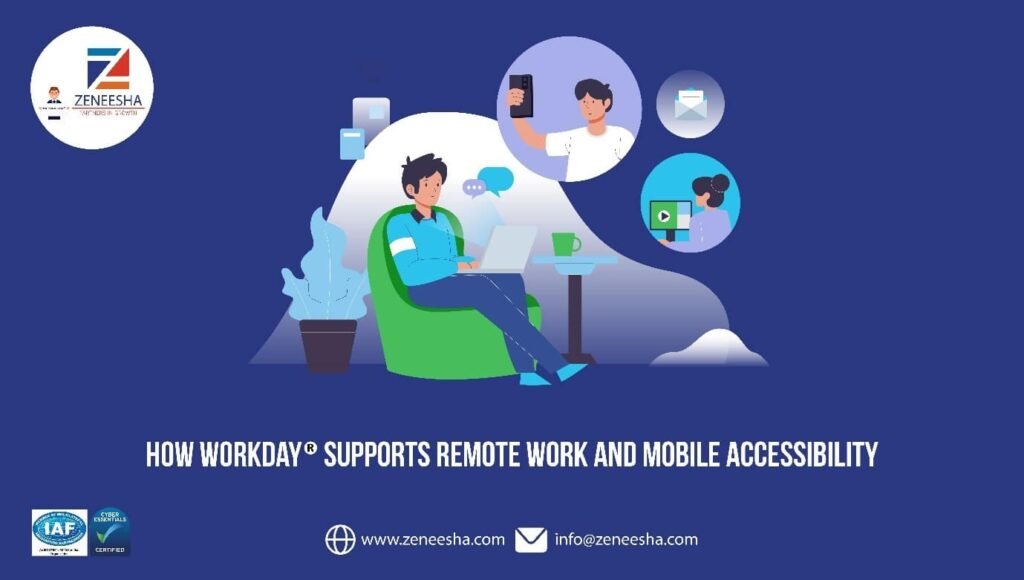
Importance of Remote Work and Mobile Accessibility
Remote work and mobile accessibility have become increasingly important in today’s professional landscape. Here’s why they hold significant value:
- Flexibility and Work-Life Balance: Remote work allows employees to create a work environment that suits their individual needs. It enables better work-life balance, reducing commuting time and giving employees more control over their schedules.
- Access to a Global Talent Pool: By offering remote work options, organizations can tap into a broader talent pool. They are not limited by geographical boundaries, enabling them to hire the best candidates, regardless of their location.
- Increased Productivity and Efficiency: Many employees find that they are more productive when working remotely. They can create a workspace that suits them best, leading to increased focus and efficiency.
- Cost Savings for Employees and Employers: Remote work eliminates commuting costs for employees, which can lead to increased job satisfaction. For employers, it can reduce overhead costs associated with office space and utilities.
- Enhanced Employee Satisfaction and Retention: Offering remote work options is a desirable benefit for many employees. It can lead to higher job satisfaction and, subsequently, increased employee retention rates.
- Business Continuity and Resilience: Remote work proved crucial during times of crisis, such as the COVID-19 pandemic. It ensures business continuity in the face of disruptions, allowing operations to continue even when physical offices are inaccessible.
- Inclusivity and Accessibility: Remote work can be particularly beneficial for individuals with disabilities. It provides them with the flexibility to create a workspace that accommodates their specific needs, making the workplace more inclusive.
- Reduced Environmental Impact: With fewer employees commuting to the office, there is a positive impact on the environment. Reduced traffic leads to lower carbon emissions, contributing to a more sustainable future.
- Cultural Diversity and Global Collaboration: Remote work encourages a more diverse and inclusive work culture. Teams can collaborate across different time zones and regions, bringing diverse perspectives and ideas to the table.
- Adaptation to Changing Work Trends: The modern workforce is increasingly valuing flexibility and work-life balance. Offering remote work options allows organizations to adapt to evolving work trends and attract top talent.
- Technology and Connectivity: Advances in technology and mobile accessibility have made remote work more feasible and efficient. With the right tools and connectivity, employees can perform their tasks effectively from anywhere in the world.
- Empowerment and Trust in Employees: Remote work demonstrates trust in employees’ ability to manage their responsibilities independently. This empowerment can lead to increased motivation and a sense of ownership in their work.
Ways Workday Supports Remote Work and Mobile Accessibility
Workday offers a range of features and functionalities that support remote work and ensure mobile accessibility. Here’s how Workday facilitates these important aspects of modern work:
- Cloud-Based Accessibility: Workday is a cloud-based platform, which means it can be accessed from any device with an internet connection. This allows employees to log in and work from anywhere, whether they’re at home, on the go, or in the office.
- Mobile-Friendly Interface: Workday has a mobile-responsive design, making it accessible and user-friendly on various devices, including smartphones and tablets. The interface is optimized for touchscreens, enabling employees to perform tasks seamlessly on the go.
- Mobile App for On-the-Go Access: Workday offers a dedicated mobile app that provides easy access to key HR and finance functions. Employees can view pay statements, request time off, and complete other tasks directly from their mobile devices.
- Secure Access Controls: Workday employs robust security measures to ensure that sensitive information is protected, even when accessed remotely. This includes features like multi-factor authentication and encryption to safeguard data.
- Collaboration and Communication Tools: Workday integrates with various collaboration tools, such as Microsoft Teams and Slack, enabling employees to communicate and collaborate effectively, regardless of their location.
- Virtual Onboarding and Training: Workday supports virtual onboarding processes, allowing new hires to complete necessary paperwork, attend orientation sessions, and access training materials from their own devices, even when not physically present in the office.
- Time and Attendance Tracking: Workday’s time and attendance features can be accessed remotely, allowing employees to clock in/out, submit timesheets, and request time off from wherever they’re working.
- Employee Self-Service Portal: Workday’s self-service portal empowers employees to manage their HR-related tasks independently. They can update personal information, review pay stubs, and request time off, all from their own devices.
- Manager Self-Service Functionality: Managers can use Workday to review and approve employee requests, provide feedback, and manage team performance, even when they’re working remotely.
- Document Management and E-signatures: Workday’s document management features support electronic signatures, allowing employees to sign important documents digitally. This eliminates the need for physical paperwork and streamlines remote workflows.
- Real-Time Reporting and Analytics: Workday provides real-time reporting and analytics capabilities that allow leaders and managers to access critical HR and financial data, enabling them to make informed decisions no matter where they’re located.
- Integration with Collaboration Tools: Workday integrates with popular collaboration tools like Microsoft Teams, Slack, and Google Workspace. This allows employees to stay connected, share updates, and collaborate on projects in real time, regardless of their location.
- Remote Hiring and Onboarding: Workday enables organizations to conduct the entire hiring and onboarding process virtually. This includes posting job openings, conducting interviews, and facilitating the necessary paperwork and training—all accessible from anywhere.
- Employee Feedback and Performance Management: Workday’s performance management features allow for ongoing feedback, coaching, and performance evaluations. Managers and employees can engage in meaningful conversations about goals, progress, and development, even when working remotely.
- Workforce Planning and Analytics: Workday provides tools for workforce planning, allowing organizations to analyze staffing needs, skills gaps, and succession planning. This data-driven approach supports effective decision-making, whether employees are in the office or working remotely.
- Time Tracking and Flexibility: Workday’s time tracking features accommodate various work arrangements, including flexible schedules and remote work. Employees can accurately record their hours worked, ensuring accurate payroll processing.
- Mobile Notifications and Alerts: Workday sends notifications and alerts to employees’ mobile devices, keeping them informed about important updates, tasks, and deadlines. This ensures that employees stay connected and engaged, even when working remotely.
- Compliance Management from Anywhere: Workday’s compliance management tools, including automated checks and documentation features, can be accessed remotely. This ensures that HR processes align with current legal requirements, no matter where employees are located.
- Expense Management on the Go: Employees can submit and manage their expenses through Workday’s mobile app. This feature is particularly useful for remote workers who may need to track expenses related to their work-from-home setup.
- Global Accessibility for International Teams: Workday’s mobile accessibility extends to international teams, supporting a diverse workforce located in different time zones and regions. This ensures that all employees have equal access to HR and finance functions.
- Employee Well-being and Benefits Access: Workday’s mobile accessibility allows employees to access information about their benefits, wellness programs, and other resources that support their physical and mental well-being, regardless of their location.
- Real-Time Data Sync Across Devices: Workday ensures that data is synced in real time across all devices, providing a consistent and up-to-date view of HR and financial information, whether accessed from a computer, tablet, or mobile phone.
- Feedback and Performance Reviews: Workday’s performance management tools enable ongoing feedback and performance reviews, ensuring that employees receive timely feedback on their work, regardless of their physical location.
- Learning and Development Opportunities: Workday’s learning management system allows employees to access training materials and development resources remotely. This promotes continuous learning and skill development, even when working from different locations.
- Mobile Expense Reporting and Approval: Employees can submit and managers can approve expense reports directly from the Workday mobile app. This streamlines the expense management process for remote workers.
- Mobile Access for Managers and HR Professionals: Workday’s mobile app isn’t limited to employees; managers and HR professionals can also use it to perform key tasks, such as approving requests, reviewing performance data, and accessing HR analytics.
- Employee Recognition and Rewards: Workday’s features for employee recognition and rewards can be accessed remotely, allowing managers to acknowledge and reward employee achievements, fostering a culture of appreciation.
- Time-Off Requests and Balances: Employees can request time off and view their remaining leave balances through the Workday mobile app. This empowers them to manage their time off efficiently, even when working remotely.
In conclusion, remote work and mobile accessibility have transformed the way we work, offering numerous benefits for both employees and employers. Embracing these trends can lead to a more inclusive, flexible, and productive work environment. By offering different features, Workday empowers organizations to seamlessly transition to remote work environments and ensures that employees have the tools they need to be productive and engaged, regardless of their physical location. This flexibility supports a modern and adaptable work culture.