Employee Learning and Development (L&D) refers to the process of enhancing employees’ skills, knowledge, competencies, and behaviours through targeted training and learning initiatives. It is a strategic approach taken by organizations to invest in their employees’ growth and professional development, fostering a continuous learning culture within the workplace. Employee L&D aims to empower employees to improve their performance, adapt to changing job requirements, and contribute effectively to the organization’s success.
Key aspects of Employee Learning and Development include:
- Training Programs: Organizations design and deliver various training programs to equip employees with the necessary skills and knowledge to perform their roles effectively. These programs can cover a wide range of topics, such as technical skills, soft skills, leadership development, compliance training, and industry-specific knowledge.
- E-Learning and Online Training: With the advancement of technology, many organizations offer e-learning and online training platforms, allowing employees to access learning materials and courses at their convenience, even in remote work environments.
- Coaching and Mentoring: Coaching and mentoring programs provide employees with guidance, feedback, and support from experienced professionals to enhance their personal and professional growth.
- Workshops and Seminars: Workshops and seminars offer opportunities for employees to participate in interactive and immersive learning experiences, often facilitated by subject matter experts.
- Leadership Development: Leadership development programs focus on preparing employees for leadership roles, helping them develop critical leadership skills and traits.
- On-the-Job Training: On-the-job training involves learning while performing tasks in the actual work environment, allowing employees to gain hands-on experience and apply their knowledge immediately.
- Continuous Learning Culture: Organizations foster a culture of continuous learning by encouraging employees to seek opportunities for self-improvement and offering resources to support their learning journey.
- Skill Gap Analysis: Skill gap analysis identifies areas where employees lack specific competencies or knowledge and helps design targeted learning initiatives to address these gaps.
- Performance Improvement: Employee L&D initiatives aim to improve individual and team performance, leading to increased productivity, efficiency, and effectiveness.
- Career Growth and Retention: Employee Learning and Development contribute to employees’ career growth and job satisfaction, leading to higher retention rates and reduced employee turnover.
- Talent Development and Succession Planning: L&D programs identify high-potential employees and support their career progression, contributing to effective succession planning and talent management.
- Adaptation to Technological Advancements: Employee L&D helps employees stay updated with the latest technological advancements and industry trends, ensuring organizations remain competitive in a rapidly changing business landscape.
Importance of Employee Learning and Development
Employee Learning and Development (L&D) holds immense importance for both employees and organizations. Here are some key reasons why investing in L&D is crucial:
- Enhanced Employee Skills and Competencies: Employee L&D programs help enhance employees’ skills and competencies, making them more proficient in their roles. This leads to increased job performance, productivity, and overall efficiency.
- Adaptation to Changing Job Requirements: In today’s rapidly evolving business landscape, employees must adapt to new technologies, industry trends, and market demands. L&D equips them with the knowledge and tools to stay relevant and effective in their roles.
- Increased Employee Engagement and Satisfaction: Offering opportunities for professional development and growth demonstrates an organization’s commitment to its employees’ well-being. This, in turn, leads to higher employee engagement, job satisfaction, and loyalty.
- Attraction and Retention of Talent: Organizations that invest in L&D are more attractive to top talent. Employees seek opportunities for growth and advancement, and a robust L&D program can be a decisive factor in their decision to join and stay with an organization.
- Succession Planning and Talent Development: L&D plays a crucial role in identifying and grooming high-potential employees for future leadership roles. Effective succession planning ensures a smooth transition when key positions need to be filled.
- Improved Organizational Performance: A skilled and competent workforce directly contributes to improved organizational performance. L&D initiatives align employees’ capabilities with business goals, driving overall success.
- Innovation and Creativity: L&D fosters a culture of continuous learning and innovation. Employees who are encouraged to develop new skills and explore new ideas are more likely to contribute innovative solutions to business challenges.
- Employee Confidence and Motivation: As employees gain new knowledge and master new skills, their confidence and motivation levels soar. They become more self-reliant, taking on new challenges with enthusiasm.
- Reduction in Employee Turnover: When employees perceive growth opportunities within an organization, they are less likely to seek opportunities elsewhere. L&D programs contribute to employee retention and reduce turnover costs.
- Improved Customer Satisfaction: Well-trained employees provide better customer service, leading to increased customer satisfaction and loyalty.
- Adherence to Compliance and Industry Standards: L&D ensures employees are well-informed about compliance regulations, safety protocols, and industry standards, reducing the risk of legal issues and safety incidents.
- Employee Well-Being and Resilience: L&D initiatives focused on soft skills, such as stress management and emotional intelligence, contribute to employee well-being and resilience, enabling them to cope with challenges effectively.
Workday’s Learning Management System
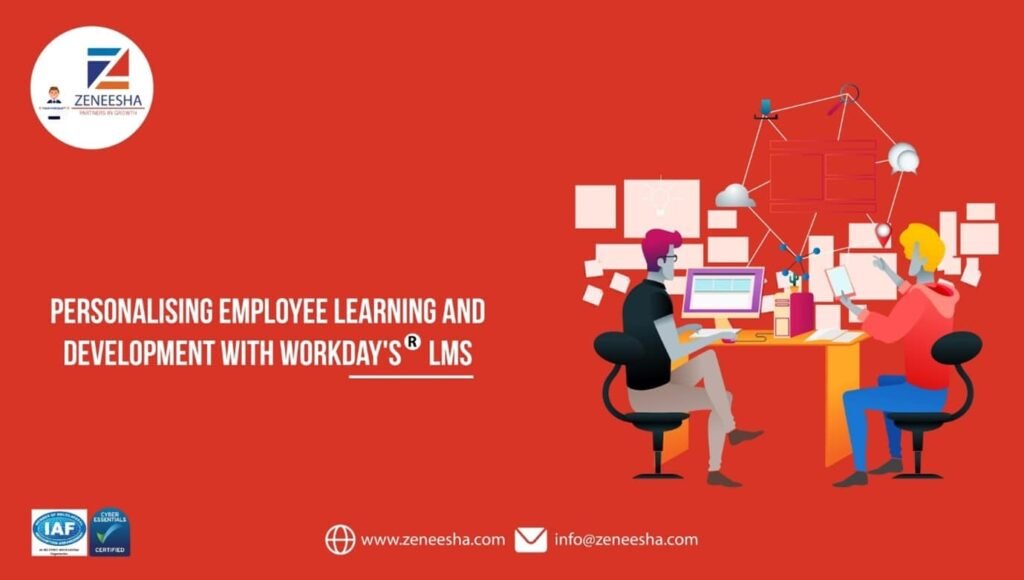
Workday’s Learning Management System (LMS) is a powerful and intuitive platform that empowers organizations to deliver effective and personalized learning experiences to their workforce. Built on the foundation of Workday’s unified cloud-based HCM platform, the LMS seamlessly integrates with other HR modules, enabling a holistic approach to employee development.
With Workday’s LMS, organizations can create and manage a diverse range of learning content, from traditional courses to interactive modules and microlearning materials. The platform leverages advanced analytics and AI-driven insights to assess employees’ skills, identify learning gaps, and recommend personalized learning paths.
The LMS offers employees the flexibility to access learning materials anytime, anywhere, using any device, making it convenient for both in-office and remote employees. Mobile accessibility ensures that learning is integrated into their daily work routines, promoting continuous learning and skill development.
Through Workday’s LMS, employees can set individual development goals, track their progress, and receive real-time feedback on their learning journey. The platform also supports certifications and badges to recognize employees’ achievements and motivate further learning.
Customizable and gamified learning features add a fun and engaging element to the learning experience, fostering higher employee participation and knowledge retention. Multilingual support enables organizations to cater to diverse employees with varying language preferences.
How Workday LMS Personalises Employee Learning and Development?
- Tailored Learning Paths: Workday’s LMS allows organizations to create personalized learning paths for employees based on their roles, skills, and career aspirations.
- Individualized Skill Assessments: The LMS uses data analytics to assess employees’ existing skills and knowledge, identifying areas for improvement and personalized learning recommendations.
- Adaptive Content Recommendations: Workday’s LMS leverages AI-driven algorithms to recommend relevant and personalized learning content, ensuring employees receive training that aligns with their specific needs.
- Self-Paced Learning: With Workday’s LMS, employees can access learning materials and courses at their convenience, enabling self-paced learning that suits their schedules and learning preferences.
- Mobile Accessibility: The LMS is accessible via mobile devices, allowing employees to learn on-the-go and seamlessly integrate learning into their daily routines.
- Microlearning Opportunities: Workday’s LMS offers bite-sized, microlearning modules, making it easier for employees to absorb information and apply it immediately in their roles.
- Continuous Feedback: The LMS allows employees to receive real-time feedback on their learning progress, encouraging them to stay engaged and motivated in their learning journeys.
- Certification and Badges: Workday’s LMS supports the issuance of certifications and badges upon completion of courses, recognizing employees’ achievements and motivating further learning.
- Individual Development Plans: Employees can create and manage their individual development plans within the LMS, setting goals and tracking their progress toward career advancement.
- Gamified Learning: Workday’s LMS incorporates gamification elements, such as quizzes, challenges, and leaderboards, adding a fun and competitive aspect to the learning experience.
- Mentorship Opportunities: The LMS can facilitate mentorship programs, connecting employees with mentors who can provide guidance and support in their learning journey.
- Language Preferences: Workday’s LMS offers multilingual support, accommodating diverse employees’ language preferences and enhancing their learning experience.
- Access to Expert Instructors: The LMS can integrate with external resources, providing employees with access to expert instructors and thought leaders in specific fields.
- Personal Learning Analytics: Employees can track their learning progress, completion rates, and skill development through personalized dashboards within the LMS.
- Customizable Learning Content: Organizations can create and upload custom learning content to the LMS, ensuring that the training aligns precisely with their unique business needs and industry requirements.
In conclusion, Overall, Workday’s LMS empowers organizations to create a culture of continuous learning, where employees are equipped with the skills and knowledge needed to excel in their roles, adapt to evolving business needs, and contribute to the organization’s long-term success. By personalizing employee learning and development with Workday’s LMS, organizations can nurture a workforce that is empowered, engaged, and continually evolving to meet the demands of the ever-changing business landscape.