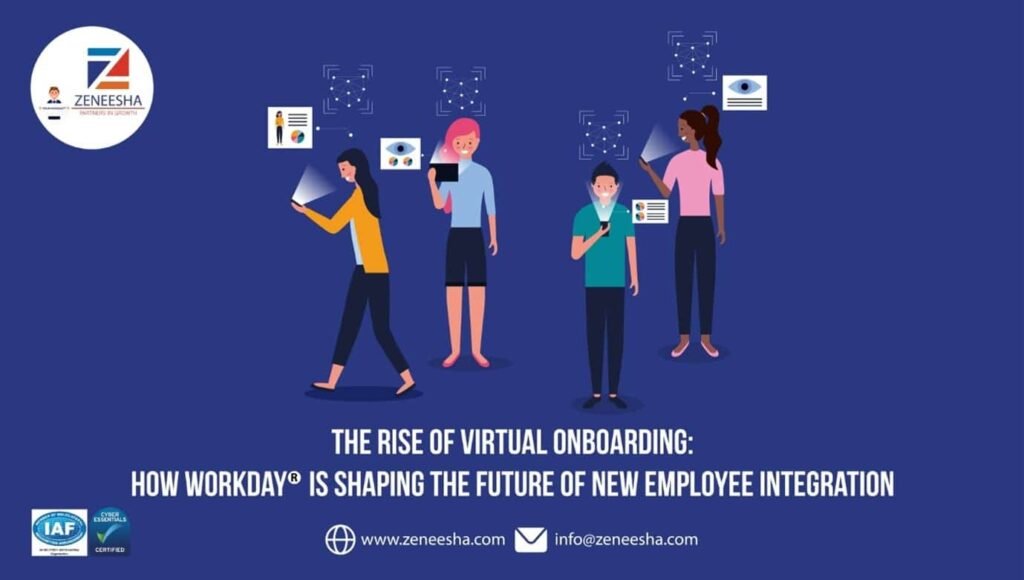
Virtual onboarding, also known as remote onboarding, is the process of integrating and orienting new employees into a company entirely through digital means. It’s a method of welcoming, training, and familiarizing new hires with the organization, its culture, policies, and work processes without the need for in-person interactions.
Importance of virtual onboarding
Virtual onboarding holds significant importance in today’s dynamic work environment, especially in situations where in-person interactions are limited. Here are several key reasons why virtual onboarding is crucial:
- Accessibility and Flexibility: Virtual onboarding allows new employees to go through the orientation process from anywhere with an internet connection. This flexibility is especially valuable for remote or geographically dispersed teams.
- Safety and Health Considerations: During times of health crises or emergencies (such as the COVID-19 pandemic), virtual onboarding minimizes physical contact and reduces the risk of exposure, ensuring the safety and well-being of both employees and the organization.
- Cost-Efficiency: Virtual onboarding eliminates the need for travel and accommodation expenses associated with in-person onboarding. It’s a more cost-effective approach, especially for organizations with a large or global workforce.
- Time Savings: Virtual onboarding can be more time-efficient as it doesn’t involve travel time or the need to coordinate schedules for in-person meetings and training sessions.
- Reduced Environmental Impact: With no need for travel, virtual onboarding contributes to a reduced carbon footprint, aligning with sustainability goals and environmental considerations.
- Consistent Information Delivery: Virtual onboarding ensures that all new employees receive the same information, training modules, and company materials, reducing the risk of information gaps or discrepancies.
- Engagement and Retention: A well-structured virtual onboarding process can engage new hires from the start, helping them feel connected to the organization’s culture, values, and mission. This sense of belonging is crucial for employee retention.
- Technological Familiarity: For roles that require significant interaction with digital tools and platforms, virtual onboarding provides an opportunity to familiarize new employees with the organization’s technology stack.
- Adaptability to Changing Circumstances: Virtual onboarding provides a framework that can be quickly adapted to changing circumstances, such as shifting to a remote work model due to unforeseen events.
- Scalability and Accessibility: Virtual onboarding can be easily scaled to accommodate a growing number of new hires. It also ensures that the onboarding process is accessible to individuals with varying needs or accommodations.
- Empowerment of Remote Workforces: As remote work becomes more prevalent, virtual onboarding equips employees with the skills, knowledge, and tools needed to excel in a remote work environment.
- Measurable Results and Analytics: Virtual onboarding platforms often provide analytics and tracking features, allowing organizations to measure the effectiveness of their onboarding programs and make improvements as needed.
What is Workday?
Workday is a cloud-based enterprise management platform that offers a comprehensive suite of applications for human resources, finance, planning, and analytics. It enables organizations to streamline their operations, manage their workforce, and gain valuable insights through a unified and user-friendly interface. Workday leverages cutting-edge technology to provide real-time data, automate administrative tasks, and facilitate informed decision-making. It is known for its flexibility, scalability, and adaptability, making it a preferred choice for businesses of all sizes seeking to optimize their HR and financial processes in an increasingly digital and dynamic business environment.
How Workday is Shaping the Future of Virtual Onboarding?
Workday is playing a pivotal role in reshaping the future of virtual onboarding, revolutionizing how organizations integrate new hires into their teams. Here’s how:
- Seamless Digital Onboarding Processes: Workday’s intuitive interface and integrated HR modules streamline the onboarding process. From document submission to training access, everything is seamlessly managed within the platform.
- Personalized Onboarding Journeys: Workday leverages data analytics to tailor onboarding experiences based on the role, department, and individual needs of each new hire. This ensures that employees receive the right information at the right time.
- Interactive Learning Modules: Workday Learning provides a dynamic platform for creating and delivering training content. This includes videos, interactive modules, quizzes, and more, all accessible remotely for a comprehensive onboarding experience.
- Automated Compliance and Documentation: Workday automates compliance checks and document verification, ensuring that new hires complete all necessary paperwork and meet regulatory requirements, even in a virtual setting.
- Remote Access to Company Resources: Workday provides a centralized portal where new employees can access company policies, handbooks, and resources from anywhere, making it easy to stay informed about organizational guidelines.
- Virtual Collaboration Tools: Workday integrates with collaboration platforms like Microsoft Teams and Slack, facilitating communication and collaboration among remote team members. This ensures that new hires feel connected to their teams, even from a distance.
- Feedback and Evaluation Mechanisms: Workday allows for structured feedback loops during onboarding, enabling managers and mentors to monitor progress and address any challenges or questions that arise.
- Cultural Assimilation: Through multimedia content and interactive experiences, Workday can immerse new hires in the company’s culture, values, and mission, helping them feel connected to the organization’s ethos.
- Virtual Mentorship Programs: Workday can facilitate virtual mentorship programs, pairing new employees with experienced team members who can provide guidance and support during the onboarding process.
- Data-Driven Optimization: Workday’s analytics capabilities allow organizations to track the effectiveness of their virtual onboarding programs. This data can be used to make adjustments and improvements for future onboarding experiences.
- Mobile Accessibility: Workday’s mobile app ensures that new hires can access critical information and complete onboarding tasks from their smartphones, providing convenience and flexibility in the onboarding process.
- Integration with Virtual Reality (VR) and Augmented Reality (AR): Workday’s integration with VR and AR technologies enables organizations to create immersive onboarding experiences. New hires can virtually explore office spaces, interact with digital content, and even practice job-related tasks in a simulated environment.
- Gamification for Engagement: Workday allows organizations to gamify the onboarding process, making it more interactive and engaging for new hires. Gamification elements like quizzes, challenges, and leaderboards can be incorporated to enhance learning and retention.
- AI-Powered Personalization: Workday leverages AI algorithms to customize the onboarding journey for each employee. By analyzing individual preferences and learning styles, Workday ensures that new hires receive relevant content and resources tailored to their needs.
- E-signatures and Digital Approvals: Workday enables electronic signatures and approvals, eliminating the need for physical paperwork. This accelerates the onboarding process and reduces administrative overhead.
- On-demand Learning Resources: Workday provides access to a vast library of on-demand training resources, allowing new hires to learn at their own pace and refer back to materials as needed throughout the onboarding process.
- Dynamic Task Management: Workday’s task management capabilities allow HR and managers to assign, track, and manage onboarding tasks in real-time. This ensures that no crucial steps are overlooked in the onboarding process.
- Multilingual Support: For global organizations, Workday offers multilingual support, ensuring that onboarding materials and communications can be easily localized to accommodate diverse workforces.
- Interactive Surveys and Feedback Loops: Workday enables organizations to gather feedback from new hires about their onboarding experience. This information can be used to continuously improve the onboarding process and tailor it to the preferences of future hires.
- Real-time Access to HR Support: Through Workday, new hires have immediate access to HR support and can easily reach out with questions or concerns, creating a sense of support and responsiveness during the onboarding process.
- Security and Compliance Measures: Workday maintains robust security protocols to protect sensitive employee data, ensuring that onboarding information is handled with the utmost confidentiality and compliance with data privacy regulations.
- Integration with Third-party Tools: Workday seamlessly integrates with a wide range of third-party tools, allowing organizations to incorporate specialized onboarding solutions, such as background screening services or e-learning platforms, into the onboarding process.
In conclusion, virtual onboarding has become increasingly popular, especially in situations where in-person interactions may not be feasible or safe, such as during a pandemic. When executed effectively, it can lead to a smooth transition for new employees, ensuring they feel engaged, supported, and equipped to excel in their new role. By combining its powerful HR management capabilities with innovative onboarding features, Workday is at the forefront of shaping the future of virtual onboarding. It empowers organizations to deliver comprehensive, engaging, and effective onboarding experiences for their new hires, regardless of location or circumstances.