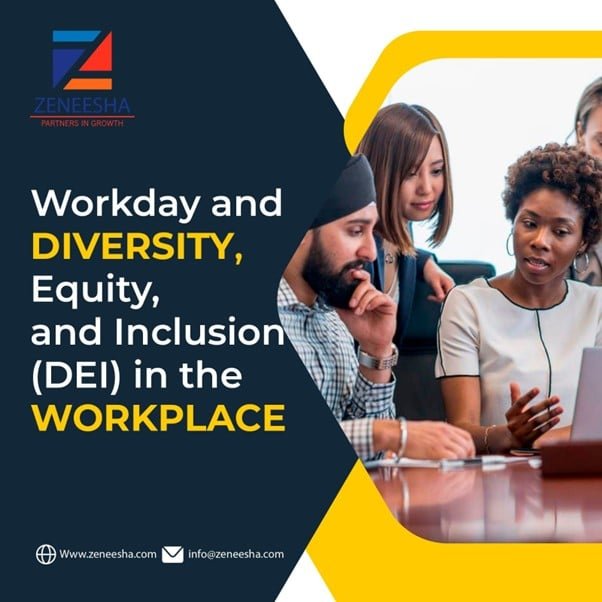
In today’s modern workplace, diversity, equity, and inclusion (DEI) have become increasingly important topics. With a diverse workforce comes a range of different perspectives and experiences, which can ultimately lead to a more productive and innovative workplace. Workday, a cloud-based enterprise software company, recognizes the importance of DEI in the workplace and has taken steps to promote and prioritize these values within their organization.
Workday’s approach to DEI is comprehensive and multifaceted. The company has established initiatives that focus on recruitment, retention, and development of diverse talent, as well as creating an inclusive workplace culture that values all employees.
Recruitment:
To attract and recruit diverse talent, Workday has implemented a range of programs and initiatives. The company attends career fairs and partners with organizations that support underrepresented groups, such as the National Society of Black Engineers and Women Who Code. Workday also encourages employee referrals and offers bonuses to employees who refer diverse candidates.
Workday has also implemented a blind resume review process to reduce unconscious bias in the hiring process. This process removes identifying information such as name and address from resumes, ensuring that hiring decisions are based solely on qualifications and experience.
Retention:
To ensure that employees feel valued and supported at Workday, the company has established employee resource groups (ERGs). These groups are organized around shared identities or experiences, such as the Black Employee Network or the LGBTQ+ Alliance, and provide a space for employees to connect and support each other. ERGs also provide opportunities for employees to engage in DEI-related initiatives and events, such as cultural celebrations or community outreach.
Workday has also established a fair pay philosophy that ensures equal pay for equal work, regardless of an employee’s gender or ethnicity. The company regularly reviews and adjusts salaries to ensure that employees are compensated fairly and equitably.
Development:
To develop and promote diverse talent within the organization, Workday has implemented a range of initiatives. The company offers mentoring and coaching programs that connect employees with senior leaders and provide guidance on career development. Workday also provides opportunities for employees to participate in leadership development programs and attend conferences and training sessions that promote diversity and inclusion.
Workplace culture:
Workday recognizes that creating an inclusive workplace culture is essential to promoting DEI. The company has established a Code of Conduct that outlines expected behaviors and values, including respect for diversity and inclusion. Workday also provides training and resources for managers and employees to promote cultural competency and reduce unconscious bias.
In addition to promoting diversity and inclusion within the organization, Workday also recognizes the importance of promoting DEI in the wider community. The company partners with organizations that support underrepresented groups and sponsors events and initiatives that promote diversity and inclusion, such as the Grace Hopper Celebration of Women in Computing.
In conclusion, Workday’s commitment to DEI is comprehensive and ongoing. From recruitment and retention to employee resource groups and partnerships, Workday has taken a range of steps to promote and prioritize diversity, equity, and inclusion in the workplace. By prioritizing DEI, Workday has created a more inclusive and innovative workplace that values and supports all employees.
Workday’s approach to DEI can serve as a model for other organizations looking to promote diversity and inclusion in their own workplaces. Here are some key takeaways that other organizations can learn from Workday’s approach:
- Establish executive-level leadership and oversight for DEI initiatives.
- Implement blind resume review processes to reduce unconscious bias in the hiring process.
- Establish employee resource groups (ERGs) to provide a space for employees to connect and support each other.
- Implement a fair pay philosophy that ensures equal pay for equal work, regardless of gender or ethnicity.
- Provide training and resources to promote cultural competency and reduce unconscious bias.
- Partner with organizations that support underrepresented groups and sponsor events and initiatives that promote diversity and inclusion