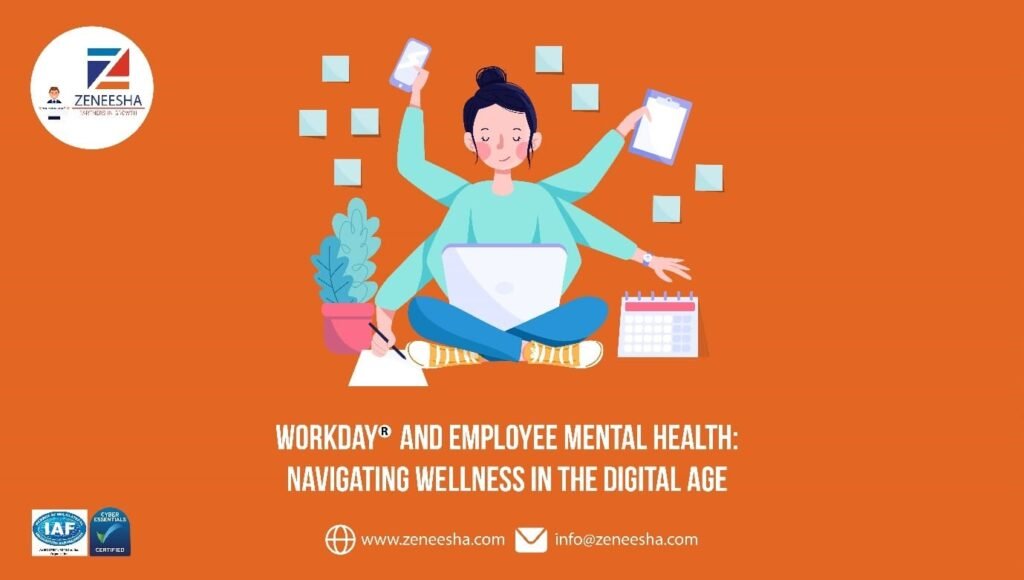
Employee mental health refers to the psychological well-being of individuals in a workplace setting. It encompasses the emotional, psychological, and social aspects of a person’s life, especially as it relates to their work and their ability to function effectively in their role.
Key components of employee mental health include:
- Emotional Well-being: This pertains to an individual’s ability to manage and express their emotions in a healthy and constructive manner. It involves recognizing and coping with feelings of stress, anxiety, sadness, and happiness.
- Psychological Resilience: This refers to an individual’s capacity to bounce back from adversity, challenges, or setbacks. It’s about how well a person can adapt and recover from difficult situations.
- Work-Life Balance: Achieving a healthy balance between work and personal life is crucial for mental health. It involves managing time and priorities to ensure that one’s personal life is not compromised by work-related stressors.
- Stress Management: This involves developing coping strategies to handle the demands and pressures of the workplace. Effective stress management techniques can help prevent burnout and maintain mental well-being.
- Social Relationships: Healthy interactions and relationships with colleagues, supervisors, and team members contribute significantly to mental health. A supportive work environment fosters a sense of belonging and camaraderie.
Importance of Employee Mental Health
Employee mental health is of paramount importance in today’s fast-paced and demanding work environments. Here are several compelling reasons why it deserves significant attention:
- Productivity and Performance: Mental well-being directly correlates with productivity. Employees experiencing good mental health are more focused, engaged, and able to perform at their best. This leads to higher quality work and increased efficiency.
- Reduced Absenteeism: Good mental health reduces the likelihood of absenteeism due to stress-related issues. When employees are mentally well, they are more likely to attend work consistently and reliably.
- Enhanced Creativity and Innovation: A healthy mental state fosters creativity and innovation. Employees are better equipped to think outside the box, problem-solve, and come up with fresh ideas that drive organizational growth.
- Positive Workplace Culture: Prioritizing mental health cultivates a positive workplace culture. It sends a message to employees that their well-being is valued, which fosters loyalty, trust, and a sense of belonging.
- Better Interpersonal Relationships: Employees with good mental health tend to have better relationships with colleagues, superiors, and clients. They communicate more effectively, resolve conflicts constructively, and contribute positively to team dynamics.
- Stress Reduction and Resilience: Promoting mental health equips employees with coping mechanisms to handle stress. This resilience not only benefits their work but also extends to their personal lives, creating a positive cycle of well-being.
- Risk Mitigation: Prioritizing mental health reduces the risk of burnout, depression, and other mental health issues that can lead to costly turnover and potentially damaging legal implications for the organization.
- Innovation and Adaptability: A mentally healthy workforce is better equipped to adapt to change and embrace innovation. They are more likely to be open to new ideas, technologies, and ways of working.
- Ethical and Responsible Leadership: Prioritizing employee mental health demonstrates ethical and responsible leadership. It showcases a commitment to the well-being of the workforce, which can enhance the organization’s reputation and brand image.
- Legal and Regulatory Compliance: Ensuring employee mental health aligns with legal and regulatory requirements. Many jurisdictions now mandate that organizations have measures in place to support employee mental health.
- Customer Satisfaction: A healthy, engaged workforce is more likely to provide excellent customer service. Satisfied employees are more likely to go the extra mile to meet customer needs and deliver exceptional experiences.
- Overall Organizational Health: Employee mental health is a cornerstone of overall organizational health. It contributes to a positive work environment, which in turn attracts and retains top talent, fosters innovation, and ultimately drives business success.
How Workday positively impacts Employee Mental Health?
Workday, as a comprehensive enterprise management platform, positively impacts employee mental health in several significant ways:
- Efficient Workflow Management: Workday streamlines administrative tasks, reducing the burden on employees. This frees up time and mental energy, alleviating stress and allowing them to focus on more meaningful work.
- Clear Communication Channels: Workday provides integrated communication tools, fostering transparent and open communication. This helps in preventing misunderstandings and reducing workplace anxiety.
- Flexible Work Arrangements: Workday facilitates remote work and flexible scheduling, promoting work-life balance. This flexibility supports mental well-being by allowing employees to better manage their personal and professional responsibilities.
- Personalized Workload Management: Workday’s analytics can be leveraged to optimize workloads, ensuring that employees are not overwhelmed with tasks. This helps prevent burnout and supports mental resilience.
- Performance Feedback and Recognition: Workday allows for structured performance feedback and recognition programs. Acknowledging employees’ contributions positively impacts their sense of self-worth and mental well-being.
- Learning and Development Opportunities: Workday Learning offers a platform for employees to access training and development resources. This sense of growth and skill-building contributes positively to mental health.
- Empowerment through Self-Service: Workday’s self-service features enable employees to take charge of their HR-related tasks. This sense of control and autonomy can boost their confidence and reduce stress.
- Access to Mental Health Resources: Workday can integrate with employee assistance programs and provide access to mental health resources. This ensures that employees have the support they need when facing mental health challenges.
- Support for Well-being Programs: Workday can help manage well-being programs and initiatives within the organization. This can include resources for stress management, mindfulness, and other mental health support.
- Integration with Health and Wellness Platforms: Workday can integrate with health and wellness platforms, allowing employees to track their physical and mental well-being. This promotes a holistic approach to health.
- Data-Driven Insights for HR: Workday’s analytics can provide HR teams with valuable insights into employee well-being trends. This data can inform targeted interventions and initiatives to support mental health.
- Compliance and Policy Management: Ensuring that workplace policies and practices align with mental health considerations is critical. Workday’s compliance features can help organizations uphold standards that promote well-being.
- Reduced Administrative Burden: With self-service capabilities, employees can manage their HR-related tasks independently. This reduces the stress associated with administrative processes and empowers employees to take control of their own information.
- Clear Career Pathing and Development Opportunities: Workday’s talent management features help employees understand their career progression within the organization. Knowing that there are opportunities for growth can enhance job satisfaction and boost mental well-being.
- Inclusive Diversity and Inclusion Initiatives: Workday’s diversity and inclusion features support organizations in creating an inclusive work environment. Feeling valued and included positively impacts mental health, as employees feel a sense of belonging.
- Real-time Feedback and Goal Setting: Workday enables continuous feedback and goal-setting, providing employees with a clear understanding of their performance and areas for improvement. This constructive feedback loop fosters a positive work environment.
- Remote Work Support: Workday’s capabilities for managing remote work arrangements cater to the needs of employees who may prefer or require a more flexible work environment. This can lead to improved work-life balance and reduced commuting-related stress.
- Time and Absence Management: Workday’s features for managing time off and leaves of absence provide employees with the necessary flexibility to address personal matters without added stress about work-related repercussions.
- Personalized Benefits Information: Workday allows employees to access information about their benefits and wellness programs. Understanding and utilizing these resources can have a positive impact on both physical and mental health.
- Employee Surveys and Feedback Mechanisms: Workday enables organizations to gather feedback through surveys, providing insights into employee satisfaction and well-being. This data can inform strategies to enhance mental health support.
- Proactive Health and Safety Alerts: Workday can be configured to send alerts related to health and safety protocols. This ensures that employees are informed and aware of measures in place to protect their well-being.
- Privacy and Data Security: Knowing that their personal information is secure and handled with confidentiality can provide employees with peace of mind, contributing to their overall mental well-being.
- Alignment with Mental Health Policies: Workday’s capabilities can be configured to support and enforce organizational policies related to mental health, ensuring that employees are aware of available resources and support systems.
In conclusion, employee mental health is a multifaceted aspect of well-being that impacts an individual’s overall quality of life, job satisfaction, and ability to contribute effectively to their organization. Organizations that prioritize and support employee mental health tend to have happier, more engaged, and more productive workforces. By providing a user-friendly and supportive platform, Workday contributes to creating a work environment that prioritizes employee mental health. This, in turn, leads to a happier, more engaged, and more productive workforce.