What is Time and Attendance Management?
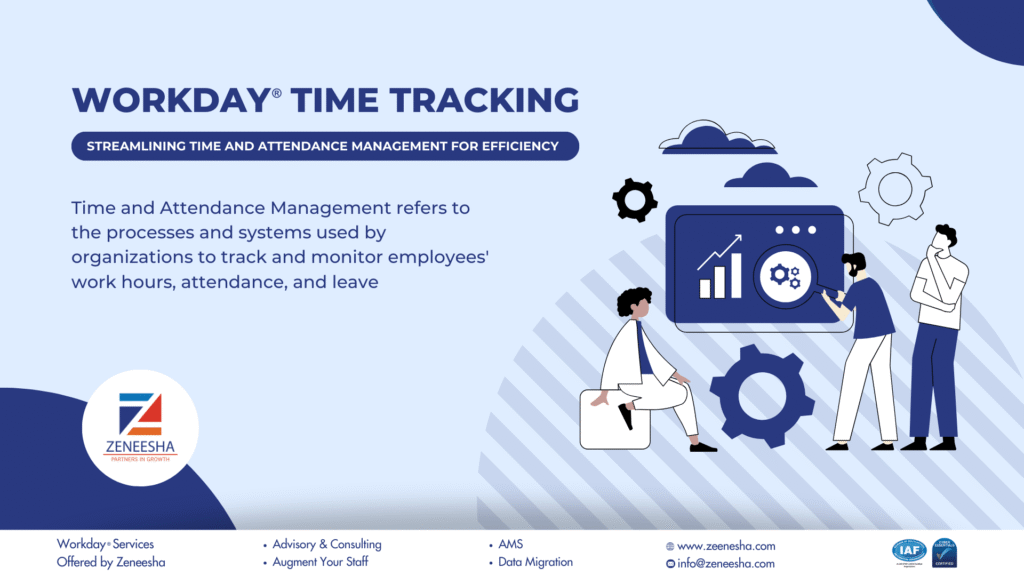
Time and Attendance Management refers to the processes and systems used by organizations to track and monitor employees’ work hours, attendance, and leave. It involves capturing data related to employees’ clock-in and clock-out times, as well as any absences or time off taken, and using this information to calculate payroll, monitor compliance with labor laws and company policies, and analyze workforce productivity.
The importance of Time and Attendance Management for organizations can’t be overstated.
Here are several key reasons why it’s crucial:
Payroll Accuracy:
- Accurate time and attendance tracking is essential for ensuring that employees are paid correctly for the hours they work.
- By capturing and recording employees’ work hours and attendance data in real-time, organizations can minimize errors and discrepancies in payroll processing.
- This accuracy helps maintain employee trust and satisfaction, reduces the risk of payroll-related disputes, and ensures compliance with wage and hour regulations.
Compliance with Labor Laws:
- Time and attendance management systems help organizations comply with labor laws and regulations governing work hours, overtime, and leave entitlements.
- By accurately tracking and documenting employees’ hours worked and time off taken, organizations can demonstrate compliance with legal requirements and minimize the risk of penalties or litigation.
- Compliance with labor laws also fosters a positive employer-employee relationship and enhances organizational reputation.
Resource Planning:
- Time and attendance data provide valuable insights into workforce availability, staffing levels, and resource allocation.
- By analyzing trends in employee attendance and scheduling, organizations can make informed decisions about staffing requirements, shift planning, and resource optimization.
- This enables organizations to ensure that they have the right people in the right place at the right time, improving operational efficiency and customer service.
Productivity Monitoring:
- Time and attendance management enables organizations to monitor employee productivity and performance.
- By tracking employees’ work hours and attendance patterns, organizations can identify areas where productivity can be improved and address issues such as absenteeism or tardiness.
- This helps maximize workforce efficiency, meet production targets, and deliver quality products or services to customers.
Absence Management:
- Time and attendance management systems help organizations manage employee absences, including sick leave, vacation time, and other types of time off.
- By accurately tracking and recording absences, organizations can ensure that employees receive the appropriate entitlements and maintain adequate staffing levels.
- Effective absence management minimizes disruptions to operations and helps maintain productivity and service levels.
Accountability and Transparency:
- Time and attendance tracking promotes accountability and transparency in the workplace.
- By providing visibility into employees’ work hours and attendance records, organizations can foster a culture of accountability and discourage time theft or unauthorized absences.
- This transparency promotes trust and fairness among employees, enhances teamwork and collaboration, and contributes to a positive organizational culture.
Cost Control:
- Effective time and attendance management helps organizations control labor costs by accurately tracking and monitoring employee work hours.
- By identifying trends in employee attendance and scheduling, organizations can optimize staffing levels to match demand, reduce unnecessary overtime expenses, and minimize labor costs.
- This cost control enables organizations to allocate resources more efficiently and improve overall profitability.
Legal Protection:
- Accurate time and attendance tracking provides legal protection for organizations in the event of wage and hour disputes or labor-related lawsuits.
- By maintaining detailed records of employees’ work hours and attendance, organizations can demonstrate compliance with labor laws and regulations, reducing the risk of legal liabilities and financial penalties.
- This legal protection enhances organizational reputation and mitigates potential risks associated with non-compliance.
Employee Engagement and Satisfaction:
- Transparent and fair time and attendance management processes promote employee engagement and satisfaction.
- By providing visibility into how work hours are tracked and managed, organizations can build trust and confidence among employees, fostering a positive work environment.
- Engaged and satisfied employees are more likely to be productive, committed, and loyal to the organization, contributing to higher retention rates and lower turnover costs.
Performance Improvement:
- Time and attendance management systems enable organizations to identify opportunities for performance improvement and employee development.
- By analyzing attendance patterns and trends, organizations can identify employees who consistently demonstrate punctuality and reliability, as well as those who may require additional support or coaching.
- This data-driven approach to performance management helps organizations recognize and reward high-performing employees, address performance issues promptly, and foster a culture of continuous improvement.
How Does Workday Help in Time and Attendance Management in an Organisation?
Workday offers a range of features and capabilities that help organizations effectively manage time and attendance. Here’s how Workday helps in Time and Attendance Management:
Centralized Time Tracking:
- Workday provides a centralized platform for time tracking, allowing employees to clock in and out, report time worked, and request time off from anywhere, at any time.
- This centralized approach streamlines time-tracking processes, eliminates manual data entry, and ensures accuracy and consistency in timekeeping across the organization.
Automated Workflows:
- Workday automates time and attendance workflows, from time entry and approval to payroll processing.
- Employees can submit time entries and leave requests online, while managers can review and approve them electronically, reducing administrative burden and speeding up the approval process.
Flexible Scheduling:
- Workday allows organizations to create flexible schedules based on business needs, employee preferences, and regulatory requirements.
- Managers can easily schedule shifts, assign work hours, and manage overtime, ensuring adequate coverage while balancing workload and employee preferences.
Leave Management:
- Workday facilitates leave management by providing tools for employees to request time off, view available leave balances, and track leave accruals.
- Managers can review and approve leave requests, ensuring compliance with company policies and regulatory requirements.
Real-time Visibility:
- Workday provides real-time visibility into time and attendance data, allowing managers and HR professionals to monitor employee attendance, track hours worked, and identify trends or patterns.
- Interactive dashboards and reports enable stakeholders to analyze workforce metrics, such as absenteeism rates, overtime costs, and labor distribution, and make data-driven decisions.
Compliance Monitoring:
- Workday helps organizations ensure compliance with labor laws, regulations, and company policies related to time and attendance.
- The system can automatically apply overtime rules, enforce scheduling policies, and alert managers to potential compliance issues, reducing the risk of non-compliance and associated penalties.
Integration with Payroll:
- Workday seamlessly integrates time and attendance data with payroll processing, ensuring accurate and timely payment of wages.
- Time entries, leave balances, and other relevant information are automatically transferred to the payroll system, minimizing errors and discrepancies in payroll calculations.
Mobile Accessibility:
- Workday’s mobile app enables employees to access time and attendance features on the go, allowing them to clock in/out, submit leave requests, and view schedules from their smartphones or tablets.
- This mobile accessibility enhances employee convenience and flexibility while ensuring compliance with timekeeping requirements.
Self-Service Capabilities:
- Workday empowers employees with self-service capabilities for managing their time and attendance-related tasks.
- Employees can easily view their work schedules, submit time-off requests, and track their attendance records through the self-service portal, reducing the administrative burden on HR and managers.
- This self-service functionality enhances employee engagement and satisfaction by providing them with greater control over their work schedules and time-off requests.
Configurable Rules and Policies:
- Workday allows organizations to configure time and attendance rules and policies to align with their specific business requirements and regulatory compliance needs.
- Organizations can define custom rules for overtime calculation, attendance tracking, and leave accruals, ensuring consistency and fairness in timekeeping practices.
- Workday’s configurable rules engine enables organizations to adapt to changing regulations or business requirements quickly and efficiently, minimizing the need for manual interventions and ensuring compliance with evolving labor laws.
Conclusion Workday streamlines time and attendance management processes through centralized time tracking, automated workflows, flexible scheduling, leave management, real-time visibility, compliance monitoring, integration with payroll, and mobile accessibility. These features help organizations improve efficiency, accuracy, compliance, and employee satisfaction in managing time and attendance.