Benefits of Automation in an organisation
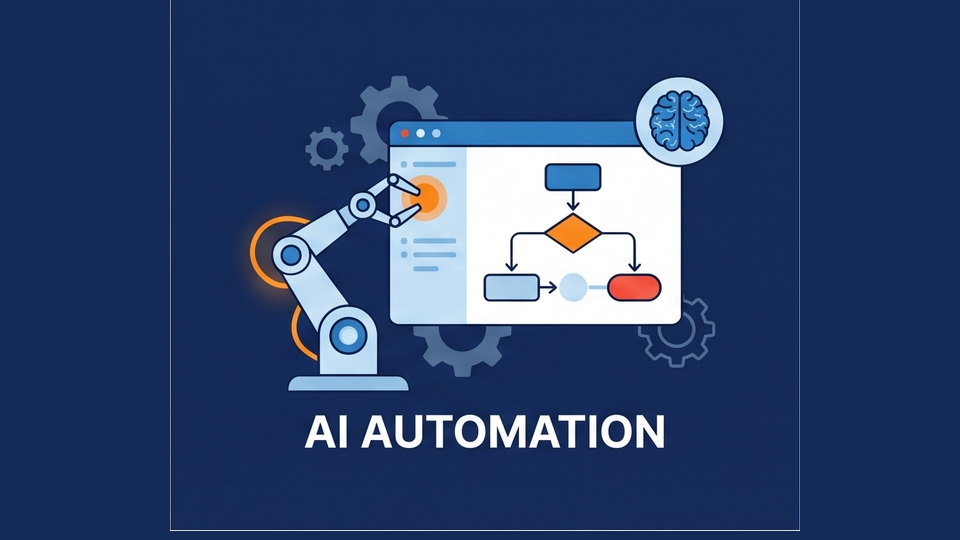
Automation offers a multitude of benefits to organizations across various industries and functions:
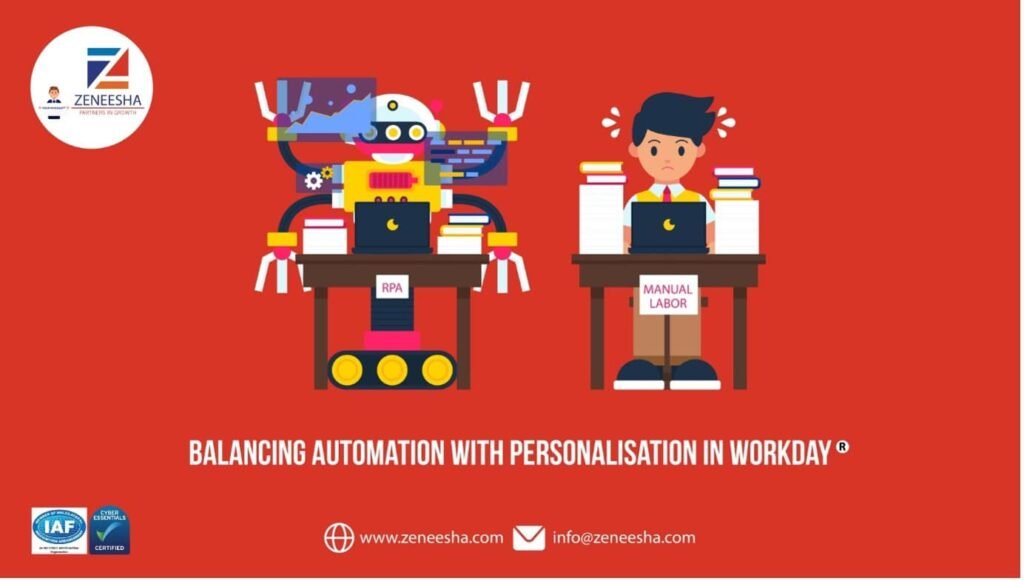
- Increased Efficiency and Productivity: Automation streamlines repetitive tasks, allowing employees to focus on higher-value activities. This leads to increased productivity and more efficient use of resources.
- Reduced Human Error: Automated processes are less prone to errors compared to manual tasks. This leads to higher accuracy in data entry, calculations, and other critical functions.
- Cost Savings: By automating tasks, organizations can reduce labor costs associated with manual processes. This is particularly significant in areas with high transaction volumes.
- Faster Processing Times: Automation can significantly speed up processes, which is crucial in time-sensitive operations like customer service, order processing, and financial transactions.
- Enhanced Customer Experience: Automation enables quicker response times and more personalized interactions with customers. This leads to higher levels of customer satisfaction and loyalty.
- Improved Compliance and Accuracy: Automated systems can ensure that all processes and transactions comply with regulatory requirements. They also maintain detailed records, which can be invaluable during audits.
- Scalability and Flexibility: Automated systems can easily adapt to changes in volume or complexity, allowing organizations to scale operations up or down as needed.
- Data Integration and Analysis: Automation can facilitate the integration of data from different sources, allowing for more comprehensive analysis and reporting. This leads to better-informed decision-making.
- Better Resource Allocation: Automation helps organizations allocate resources more effectively. This means that human talent can be directed towards tasks that require creativity, critical thinking, and strategic planning.
- 24/7 Operations: Automated processes can run around the clock without the need for breaks, leading to continuous operations and increased responsiveness.
- Competitive Advantage: Organizations that embrace automation often gain a competitive edge by being able to deliver products and services faster, more accurately, and at a lower cost.
- Innovation and Agility: By automating routine tasks, organizations free up time and resources for innovation. This allows them to stay ahead of industry trends and respond quickly to changing market conditions.
- Employee Satisfaction: Automation can reduce the burden of repetitive, mundane tasks on employees, allowing them to focus on more engaging and fulfilling work. This can lead to higher levels of job satisfaction and morale.
- Environmental Impact: Automation can lead to more sustainable operations by optimizing resource usage, reducing waste, and minimizing the environmental footprint of operations.
How Workday helps in automation?
Workday empowers organizations with a range of automation capabilities across various functions, revolutionizing how tasks are performed:
- Automated Business Processes: Workday allows organizations to automate a wide array of business processes, from employee onboarding to expense approvals. This streamlines operations, reduces manual effort, and accelerates task completion.
- Workflow Automation: Workday’s workflow engine enables the creation of custom approval processes. This ensures that tasks and decisions follow predefined routes, reducing delays and improving accountability.
- Self-Service Portals: Workday provides self-service portals for employees, managers, and HR teams. This allows them to independently perform tasks such as updating personal information, managing benefits, and requesting time off, reducing administrative burden.
- Automated Reporting and Analytics: Workday’s reporting capabilities enable the automation of data extraction, analysis, and presentation. This ensures that key stakeholders have access to real-time, actionable insights.
- Integration and Data Synchronization: Workday can integrate with other enterprise systems, ensuring that data flows seamlessly between platforms. This reduces the need for manual data entry and minimizes the risk of errors.
- Automated Compliance Tracking: Workday can track compliance with various laws, regulations, and industry standards. It automates the monitoring of deadlines, renewals, and certifications, ensuring ongoing adherence.
- AI-Powered Insights: Workday leverages artificial intelligence to provide insights and recommendations. This can include suggestions for optimizing workforce management, talent acquisition, and financial processes.
- Predictive Analytics: Workday uses predictive analytics to forecast trends and potential issues. This allows organizations to proactively address challenges before they escalate.
- Automated Payroll and Benefits Administration: Workday’s payroll module automates the calculation and distribution of salaries, as well as the management of benefits, ensuring accuracy and compliance with tax laws.
- Automated Talent Management: Workday’s talent management features automate processes such as performance evaluations, goal setting, and succession planning. This ensures that talent-related tasks are carried out consistently and transparently.
- Machine Learning for Recruitment: Workday’s recruitment module utilizes machine learning to match candidates with job openings, automating parts of the recruitment process and enhancing the quality of hires.
- Smart Document Handling: Workday uses machine learning to extract relevant information from documents like resumes or invoices. This automates the process of capturing and inputting data.
- Notification and Alert System: Workday can be configured to send notifications and alerts related to compliance deadlines, performance evaluations, and other critical events, ensuring that organizations stay on track.
How Workday helps in personalising automation?
Workday facilitates personalized automation through several key features and capabilities:
- Role-Based Access and Permissions: Workday allows organizations to define specific roles and permissions for users. This ensures that automation processes are tailored to individual roles and responsibilities, providing access only to relevant information and tasks.
- Customizable Workflows: Workday provides a flexible workflow engine that allows organizations to design and customize workflows based on their unique processes. This ensures that automation aligns with specific business requirements and adapts to changing needs.
- Personalized Dashboards: Workday offers customizable dashboards that can be tailored to individual users. This enables employees to access the information and tasks most relevant to their roles, improving efficiency and productivity.
- Dynamic Forms and Templates: Workday allows organizations to create dynamic forms and templates that can adapt based on user inputs. This ensures that automated processes collect the specific information needed for each situation.
- Conditional Logic and Rules: Workday supports the implementation of conditional logic and rules within processes. This means that automation responses can vary based on specific conditions, enabling a more personalized approach.
- Employee Self-Service: Workday provides self-service capabilities that empower employees to initiate and manage their own HR-related tasks. This allows for a highly personalized experience, where employees can update personal information, request time off, and access relevant resources independently.
- Personalized Learning Paths: Workday Learning enables organizations to create personalized learning paths for employees based on their roles, skills, and career aspirations. This ensures that training and development efforts align with individual growth objectives.
- Adaptive Insights and Recommendations: Workday’s AI-powered capabilities provide adaptive insights and recommendations. This means that the platform can suggest actions based on user behavior and preferences, tailoring the automation experience to individual needs.
- Personalized Notifications and Alerts: Workday allows organizations to configure notifications and alerts based on specific criteria. This ensures that individuals receive timely information and updates relevant to their roles and responsibilities.
- Individual Development Plans: Workday enables organizations to create individual development plans (IDPs) for employees. These plans outline specific goals, learning opportunities, and career development paths, ensuring a personalized approach to talent management.
- Feedback and Performance Reviews: Workday supports personalized performance evaluations and feedback processes. Managers can provide tailored feedback and set individualized goals for each employee.
- Personalized Communication Channels: Workday includes features for personalized communication, allowing organizations to reach out to employees through preferred channels and in their preferred language.
- Adaptive AI-Powered Insights: Workday’s AI capabilities adapt to individual user behavior and preferences, providing personalized insights and recommendations. This ensures that users receive information that is most relevant to their specific needs.
- Personalized Benefits Enrollment: Workday allows employees to personalize their benefits selections based on their individual needs and preferences. This ensures that employees have access to benefits that best suit their unique circumstances.
- Dynamic Compensation Planning: Workday enables organizations to create dynamic compensation plans that take into account individual performance, skills, and contributions. This ensures that compensation packages are tailored to each employee.
- Tailored Learning Content: Workday Learning delivers customized learning content to employees based on their roles, skills, and learning history. This ensures that employees receive training that is directly applicable to their job functions.
- Individual Goal Setting: Workday facilitates individual goal setting and tracking, allowing employees to set and monitor their own performance objectives. This empowers employees to take ownership of their professional development.
In conclusion, automation is a transformative force that can revolutionize how organizations operate, unlocking new levels of efficiency, accuracy, and competitiveness. It’s a strategic investment that can yield significant returns in the long run. By incorporating automation features, Workday empowers organizations to streamline operations, reduce manual effort, and achieve higher levels of efficiency and accuracy in their day-to-day tasks. This not only saves time and resources but also enables organizations to focus on strategic initiatives that drive growth and innovation. By further offering personalized automation capabilities, Workday ensures that processes and interactions are tailored to the unique needs, roles, and preferences of each individual within the organization. This not only enhances user satisfaction but also leads to more efficient and effective automation outcomes.